Sony WH-1000XM6
LDAC, 12 microphones and a quick 3-minute top-up that gives about 3 hours of play.
- LDAC
- 12 mics
- ~254 g
Short version: the Sony WH-1000XM6 suits Android users who want LDAC and a strong call mic; the Bose QC Ultra 2nd Gen suits listeners who put comfort first and want lossless-style USB-C audio and aptX Adaptive.
The Sony WH-1000XM6 and the Bose QuietComfort Ultra Headphones (2nd Gen) are the two flagship noise-cancelling headphones most buyers end up choosing between. Both fold, both are rated for about 30 hours, and both cancel noise extremely well. They differ on codecs, how you can plug in a cable, and fit.
Based on RTINGS · Sony · Bose +1 more
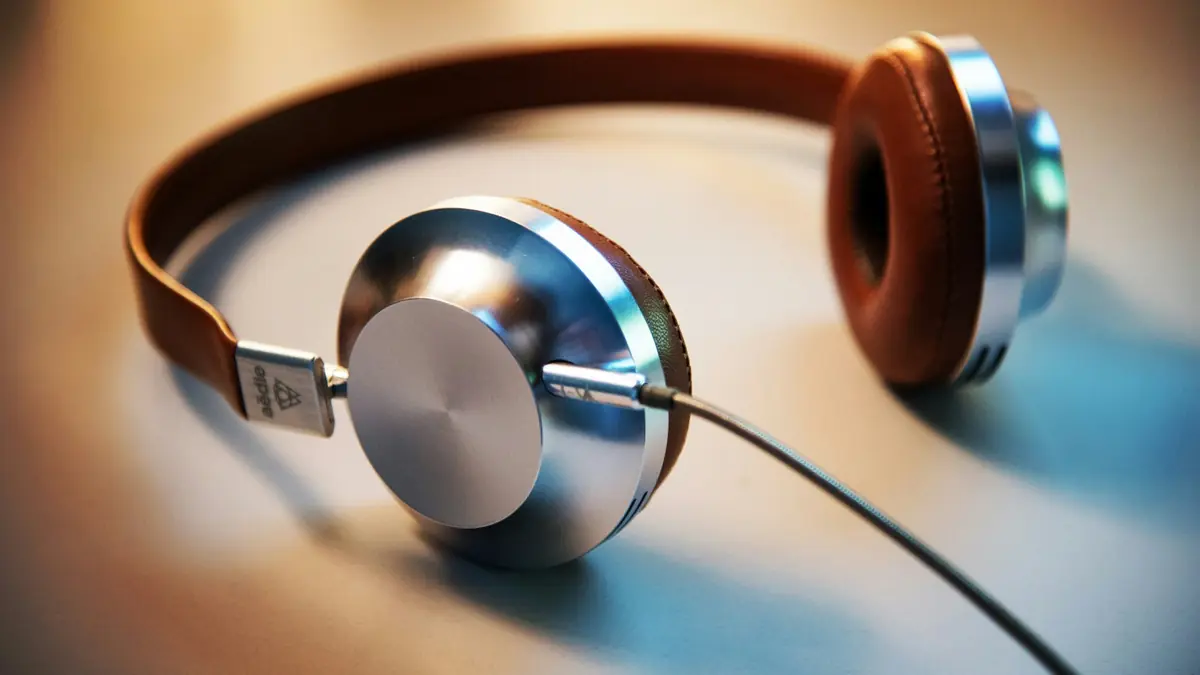
LDAC, 12 microphones and a quick 3-minute top-up that gives about 3 hours of play.
Plush fit, Bose Immersive Audio, and wired listening over USB-C or 3.5 mm.
We don't list prices because they change daily; Amazon shows the current price and stock when you click. We earn a commission on purchases, which never decides a pick. How we choose.
Swipe the table sideways to see both →
| Spec | Best for Android & callsSony WH-1000XM6 | Best for comfortBose QuietComfort Ultra Headphones (2nd Gen) |
|---|---|---|
| Battery | Up to 30 h ANC on (rated) | Up to 30 h (Immersive Audio off) |
| Quick charge | 3 min → about 3 h (Sony) | 15 min → about 2.5 h |
| Bluetooth codecs | LDAC, AAC, SBC | aptX Adaptive, AAC, SBC |
| Wired listening | 3.5 mm analog; USB-C is charge-only | USB-C digital audio + 3.5 mm |
| Weight | About 254 g | About 260–264 g |
| App | Sony Sound Connect | Bose app |
| Best for | Android users, frequent callers | Long wear, comfort-first |
| Price & stock | Check price | Check price |
On an Android phone that supports it, LDAC gives the Sony a higher-bitrate Bluetooth connection than the Bose can use. It also carries 12 microphones, and its call quality is widely regarded as a strength, so it suits people who take a lot of calls on headphones.
Sony says a 3-minute charge adds about 3 hours of playback, which is handy when you discover a flat battery on the way out the door. It is also slightly lighter than the Bose, at about 254 grams.
The catch for some buyers: its USB-C port only charges. To listen wired you use the 3.5 mm jack; there is no USB-C digital audio like the Bose has.
Bose’s reputation rests on comfort, and the QC Ultra 2nd Gen keeps the soft, low-pressure fit that makes long flights and workdays easier. Noise cancelling is at the very top of the category.
Its USB-C port carries audio as well as power, so you can plug straight into a laptop or a USB-C phone, and there is still a 3.5 mm option for analog sources. On Android phones with Snapdragon Sound, aptX Adaptive is supported.
Bose rates 30 hours with Immersive Audio switched off; spatial audio shortens that. A 15-minute charge gives roughly 2.5 hours, slower to top up than the Sony.
Both are excellent noise cancellers, so ignore anyone who claims one is dramatically quieter. These factors separate them.
Android with LDAC favors the Sony; Android with Snapdragon Sound can use the Bose’s aptX Adaptive. iPhones use AAC on both, so codec is a wash.
This is the biggest real-world difference and it is personal. If you can, try both on; Bose is generally the softer fit.
Need to plug into a laptop with USB-C? Only the Bose carries audio over USB-C. Both have 3.5 mm.
The Sony’s 12-mic array is a strength for frequent callers.
Both are among the best available and very close. Comfort and features are better tiebreakers than small differences in cancellation.
Both connect over AAC on iPhone. Choose on comfort; the Bose also lets you listen over USB-C.
Yes. Both support a 3.5 mm cable. Older two-prong airline jacks need an adapter.
Both are rated at about 30 hours. The Bose figure assumes Immersive Audio is off.
Slightly: about 254 g versus roughly 260–264 g for the Bose, a difference few people notice.
We compared official Sony and Bose specifications (battery, charging, codecs, ports, weight) and cross-checked them with independent side-by-side coverage from What Hi-Fi? and SoundGuys and measurements from RTINGS.
We have not hands-on tested these products; we compare published specifications, independent measurements and manufacturer documentation, and we update this page when models change. Read the full methodology.