Emporia Level 2 EV Charger, 48A (J1772)
Smart scheduling and energy tracking with up to 48 A when hardwired, at a mid-range price.
- Up to 48 A
- Wi‑Fi
- 25 ft cable
Best Level 2 EV charger: Emporia Level 2 EV Charger, 48A (J1772). Why it wins: Smart scheduling and energy tracking with up to 48 A when hardwired, at a mid-range price. Also see best budget: Grizzl-E Classic 40A; best premium: ChargePoint Home Flex (NEMA 14-50).
For most homes the Emporia 48-amp charger is the best value: Wi‑Fi scheduling, energy tracking and up to 48 amps when hardwired. The Grizzl-E Classic is a tough, simple budget choice with no app. The ChargePoint Home Flex is the premium smart pick with a long-established app and network.
Based on U.S. DOE Alternative Fuels Data Center · Emporia Energy · Grizzl-E +1 more
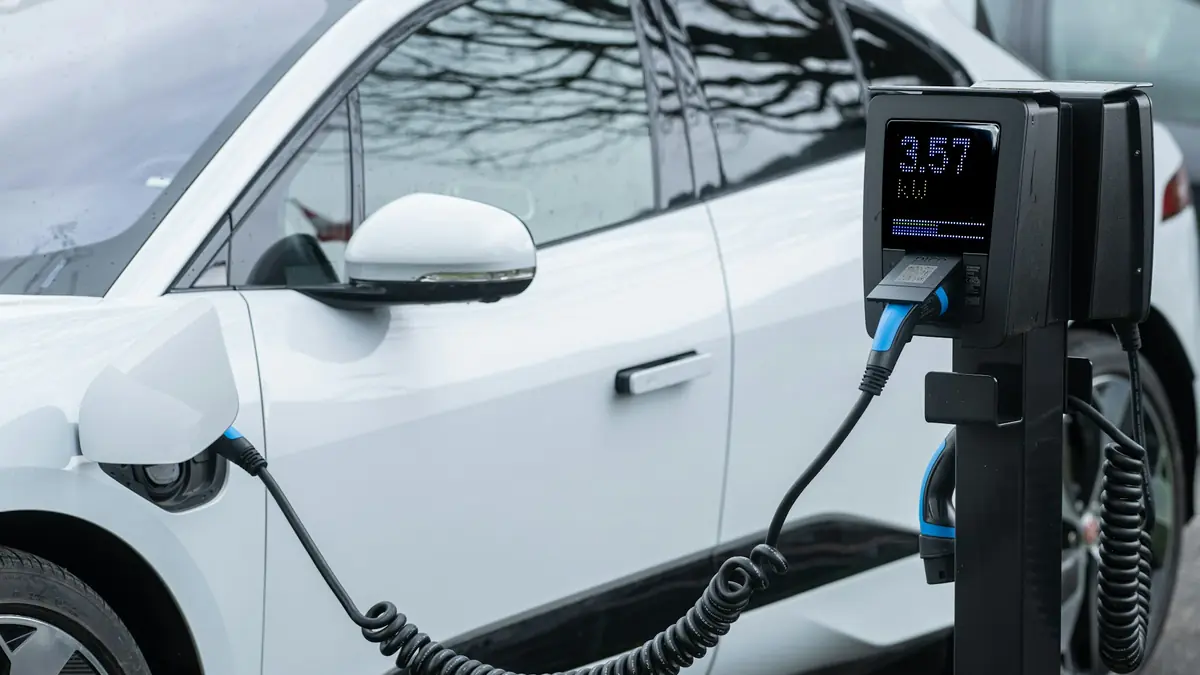
Smart scheduling and energy tracking with up to 48 A when hardwired, at a mid-range price.
A rugged metal-case charger with adjustable amperage and no app to fuss with.
A polished app, flexible amperage up to 50 A hardwired, and a widely used public network.
We don't list prices because they change daily; Amazon shows the current price and stock when you click. We earn a commission on purchases, which never decides a pick. How we choose.
Swipe the table sideways to see all three →
| Spec | Best overallEmporia Level 2 EV Charger, 48A (J1772) | Best budgetGrizzl-E Classic 40A | Best premiumChargePoint Home Flex (NEMA 14-50) |
|---|---|---|---|
| Max current | Up to 48 A (hardwired) | 16–40 A adjustable | Up to 50 A (hardwired) |
| Wi‑Fi app | Yes | No | Yes |
| Cable | 25 ft | 24 ft | 23 ft |
| Install | NEMA 14-50 or hardwired | NEMA 14-50 plug | NEMA 14-50 / 6-50 or hardwired |
| Connector | J1772 | J1772 | J1772 |
| Best for | Most homes | Simple, outdoor use | Smart-feature fans |
| Price & stock | Check price | Check price | Check price |
Smart scheduling lets you charge during off-peak hours, which is where most savings come from. Emporia includes this plus energy tracking at a lower price than many smart chargers.
The 48 A maximum requires hardwiring on a 60 A circuit. On a 50 A NEMA 14-50 outlet, charging is limited to 40 A by electrical code.
If your car already schedules charging, you don’t need a smart charger. The Grizzl-E Classic is a simple, weather-resistant unit with a metal enclosure and adjustable amperage to match your circuit.
There’s no app or energy tracking. That’s a feature for some people and a limit for others.
ChargePoint operates one of the largest public charging networks, and its Home Flex brings that app to your garage: scheduling, energy use and utility program integrations.
It costs more, and you only get above 40 A when hardwired on a suitable circuit.
Have a licensed electrician check your panel before you buy. Your circuit, not the charger, sets your real charging speed.
A charger can use 80% of its circuit continuously: 40 A on a 50 A circuit, 48 A on a 60 A hardwired circuit.
Plug-in is easier to move and replace; hardwired allows higher current and is often preferred outdoors.
Most non-Tesla EVs use J1772 today. Newer cars with NACS ports need an adapter or a NACS-cable charger.
Smart chargers can unlock utility rebates and off-peak savings, but your car’s app may already schedule charging.
If you drive under about 40 miles a day, a standard outlet (Level 1) may be enough. Level 2 adds roughly 25–35 miles of range per hour for many EVs.
It depends on panel capacity and distance; get quotes from licensed electricians and check permits and utility rebates.
Teslas use NACS. You’ll need a J1772-to-NACS adapter (Tesla includes or sells one) or a NACS-cable charger.
Yes for up to 40 A charging, which covers most EVs’ onboard chargers.
Federal and state incentives change. Check current rules at the IRS and your utility before you buy.
We compared maximum current, installation options, cable length, connectors and smart features from manufacturer specifications, and U.S. Department of Energy guidance on home charging.
We have not hands-on tested these products; we compare published specifications, independent measurements and manufacturer documentation, and we update this page when models change. Read the full methodology.